The Difference Between Fermented Coffee and Aged Coffee
ID:
Dalam dunia kopi spesialti, istilah “fermentasi” dan “aged” sering terdengar mirip, padahal keduanya memiliki makna dan hasil rasa yang sangat berbeda. Keduanya sama-sama melibatkan proses waktu, tetapi dengan tujuan dan karakter akhir yang tidak sama.
EN:
In the world of specialty coffee, the terms “fermented” and “aged” may sound similar, but they refer to very different processes and flavor outcomes. Both involve time, yet their purposes and final characters are distinct.
ID:
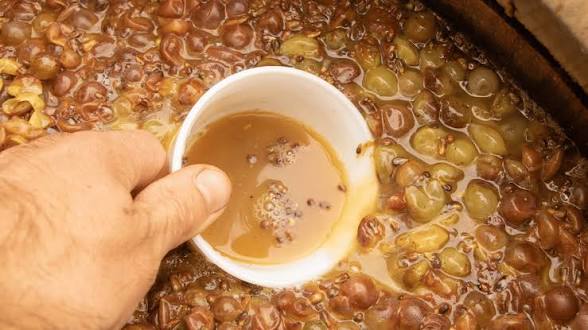
Fermentasi kopi adalah proses biologis alami yang terjadi saat biji kopi masih berada di dalam lapisan lendir (mucilage) setelah panen. Mikroorganisme seperti ragi dan bakteri bekerja untuk memecah gula alami pada buah kopi. Proses ini bisa berlangsung selama beberapa jam hingga beberapa hari, tergantung metode dan iklim.
EN:
Coffee fermentation is a natural biological process that occurs while the beans are still covered in mucilage after harvest. Microorganisms such as yeasts and bacteria break down the natural sugars in the coffee fruit. This can take several hours to several days, depending on the method and climate.
ID:
Tujuan utama fermentasi adalah mengembangkan kompleksitas rasa—mulai dari aroma buah tropis, keasaman yang bersih, hingga aftertaste manis seperti wine atau cokelat. Banyak produsen kopi eksperimental menggunakan variasi seperti anaerobic fermentation atau carbonic maceration untuk menciptakan profil rasa yang unik dan menonjol.
EN:
The main goal of fermentation is to enhance flavor complexity—from tropical fruit aromas and clean acidity to sweet, wine-like or chocolatey aftertastes. Many experimental producers now apply methods like anaerobic fermentation or carbonic maceration to craft distinctive and memorable profiles.
ID:
Sementara itu, kopi aged (kopi tua atau berumur) tidak melibatkan aktivitas mikroba aktif. Setelah diproses dan dikeringkan, biji kopi disimpan selama berbulan-bulan bahkan bertahun-tahun di ruang bersuhu dan kelembapan terkontrol. Proses ini lebih mirip aging pada wine atau keju.
EN:
On the other hand, aged coffee does not involve active microbial activity. Once processed and dried, the beans are stored for months or even years in temperature- and humidity-controlled environments. This process is closer to the aging used in wine or cheese production.
ID:
Kopi aged biasanya memiliki cita rasa yang lebih lembut, berat badan (body) yang penuh, dan aroma rempah atau kayu. Proses ini sering digunakan untuk menciptakan karakter “vintage” seperti pada kopi Monsooned Malabar dari India, yang terkenal dengan rasa mellow, earthy, dan rendah keasaman.
EN:
Aged coffee tends to develop smoother flavors, a fuller body, and spicy or woody notes. It’s often used to create “vintage” characteristics, as seen in India’s Monsooned Malabar coffee—renowned for its mellow, earthy taste and low acidity.
ID:
Perbedaan utamanya: fermentasi menciptakan transformasi rasa lewat aktivitas biologis, sedangkan aging memperhalus karakter kopi lewat waktu dan lingkungan penyimpanan. Fermentasi berfokus pada creation, sementara aging menekankan pada refinement.
EN:
The key difference: fermentation transforms flavor through biological activity, while aging refines it through time and environmental exposure. Fermentation is about creation, while aging is about refinement.
ID:
Keduanya memiliki penggemar masing-masing—fermentasi memikat penikmat rasa eksperimental dan modern, sedangkan kopi aged disukai oleh mereka yang mencari kedalaman, kehalusan, dan nostalgia cita rasa klasik.
EN:
Each method has its own devotees—fermentation attracts fans of experimental and modern flavors, while aged coffee appeals to those seeking depth, smoothness, and a touch of classic nostalgia.
ID:
Baik kopi fermentasi maupun aged sama-sama menunjukkan bagaimana waktu dan sains bisa menciptakan seni dalam secangkir kopi. Dunia kopi terus berevolusi—dan setiap tetesnya selalu menyimpan cerita.
EN:
Both fermented and aged coffees reveal how time and science can shape artistry in a cup. The coffee world keeps evolving—and every sip carries a story.
EDITOR KOKO BARTENDER 2 NOVEMBER 2025 06.33 WIB